Ultimate Guide to Choosing Ballet Attire for Dancers
- Priya Barke
- 3 hours ago
- 4 min read

Choosing the right ballet attire is crucial for both comfort and performance. Whether you are a beginner or an experienced dancer, the right clothing can enhance your movements and boost your confidence. In this ultimate guide, we will explore the various types of ballet attire, their functions, and tips for selecting the best options for your needs.
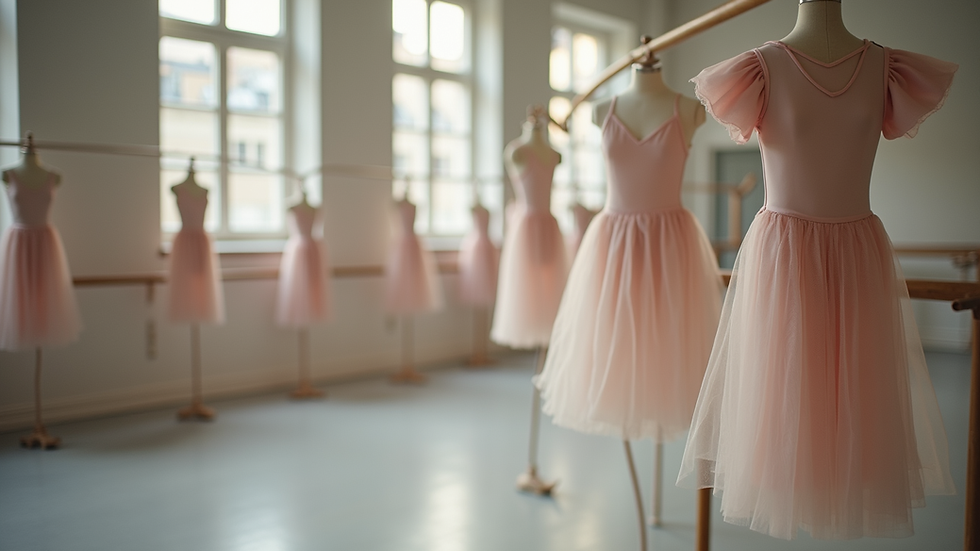
Understanding Ballet Attire
Ballet attire is not just about looking good; it serves specific purposes that contribute to a dancer's performance. The right clothing allows for freedom of movement, provides support, and helps instructors assess a dancer's form. Here are the key components of ballet attire:
Leotards
Leotards are a staple in ballet attire. They come in various styles, colors, and fabrics. When choosing a leotard, consider the following:
Fit: A well-fitted leotard should hug the body without being too tight. It should allow for full range of motion.
Material: Look for breathable fabrics like cotton or moisture-wicking blends that keep you comfortable during practice.
Style: Leotards come in different necklines (scoop, V-neck, high neck) and sleeve lengths (sleeveless, short, long). Choose one that flatters your body shape and meets your studio's dress code.
Tights
Tights are essential for ballet dancers as they provide warmth and support. Here are some tips for selecting the right tights:
Thickness: Tights come in various deniers (thickness). For warmer practices, opt for thicker tights, while thinner tights are suitable for summer.
Footed vs. Footless: Footed tights are traditional, while footless tights offer more flexibility for certain styles. Choose based on your preference and the type of class.
Color: Most studios require pink or flesh-colored tights, but check your studio's guidelines for specific requirements.
Skirts and Wraps
Skirts and wraps add a touch of elegance to ballet attire. They can also provide coverage and warmth. Consider these factors when choosing skirts:
Length: Skirts can vary from short to long. Short skirts are often preferred for younger dancers, while longer skirts can be more suitable for advanced levels.
Material: Lightweight fabrics like chiffon or georgette are popular choices as they flow beautifully during movement.
Style: Wrap skirts are versatile and can be adjusted for comfort. Choose a style that complements your leotard.
Shoes
Ballet shoes are crucial for performance and practice. Here’s what to look for:
Type: There are different types of ballet shoes, including soft ballet shoes for beginners and pointe shoes for advanced dancers. Ensure you select the right type for your level.
Fit: Shoes should fit snugly without pinching. It’s best to try them on and walk around to ensure comfort.
Material: Leather shoes are durable, while canvas shoes are lightweight and breathable. Choose based on your preference and the type of class.
Accessories
Accessories can enhance your ballet attire. Here are some common options:
Hair Accessories: A bun is the traditional hairstyle for ballet. Use hairnets, pins, and elastics to secure your hair neatly.
Warm-Up Gear: Consider leg warmers, wraps, or sweatpants for warming up before class. These can help prevent injuries and keep your muscles warm.
Choosing the Right Attire for Different Levels
Selecting the right ballet attire can vary depending on your level of experience. Here’s a breakdown of what to consider for different levels:
Beginners
For beginners, comfort and ease of movement are paramount. A simple leotard, tights, and ballet shoes are usually sufficient. Look for:
Basic Colors: Stick to classic colors like black, pink, or navy.
Affordable Options: As you are just starting, consider budget-friendly options that still offer quality.
Intermediate Dancers
As you progress, you may want to invest in higher-quality attire. Consider:
Variety: Explore different styles of leotards and skirts to express your personality.
Performance Attire: If you participate in performances, consider purchasing a performance leotard or tutu.
Advanced Dancers
Advanced dancers often have specific needs based on their training. Focus on:
Specialized Shoes: Invest in pointe shoes that fit perfectly and are suited to your foot shape.
Custom Attire: Some dancers opt for custom-made leotards or skirts to ensure the perfect fit and style.
Tips for Selecting Ballet Attire
Choosing the right ballet attire can be overwhelming, but these tips can help simplify the process:
Know Your Studio's Dress Code
Before purchasing any attire, check your studio's dress code. Many studios have specific requirements regarding colors, styles, and types of clothing. Adhering to these guidelines is essential for maintaining a professional appearance.
Try Before You Buy
Whenever possible, try on ballet attire before making a purchase. This allows you to assess the fit and comfort level. If shopping online, check the return policy in case the items do not meet your expectations.
Invest in Quality
While it may be tempting to opt for cheaper options, investing in quality ballet attire can pay off in the long run. High-quality materials will last longer and provide better support during practice.
Consider Your Body Type
Different body types may require different styles of ballet attire. For example, if you have a longer torso, you may prefer leotards with a higher waistline. Take your body shape into account when selecting attire.
Stay Updated on Trends
Ballet attire trends can change over time. Stay informed about the latest styles and innovations in ballet clothing. This can help you feel more confident and stylish in your practice.
Caring for Your Ballet Attire
Proper care of your ballet attire can extend its lifespan. Here are some tips:
Washing: Follow the care instructions on the label. Most leotards and tights can be hand-washed or machine-washed on a gentle cycle.
Drying: Avoid using a dryer, as heat can damage the fabric. Instead, hang your attire to dry.
Storage: Store your ballet attire in a cool, dry place. Avoid cramming them into tight spaces to prevent wrinkles.
Conclusion
Choosing the right ballet attire is essential for comfort, performance, and confidence. By understanding the different components of ballet attire and considering your level of experience, you can make informed choices that enhance your dancing experience. Remember to check your studio's dress code, invest in quality pieces, and care for your attire properly. With the right ballet attire, you can focus on what truly matters: your passion for dance.
Now that you have the ultimate guide to choosing ballet attire, it’s time to explore your options and find the perfect pieces that resonate with your style and needs. Happy dancing!


Comments